Protect yourself against serious Middle Eastern health risks with expert travel vaccinations and personalised medical advice at Slough Travel Clinic.



The Middle East presents distinct health challenges including hepatitis A and B, typhoid, meningitis, and rabies. Heat-related illnesses, poor sanitation in certain areas, and mosquito-borne diseases pose additional risks.
Many Gulf countries now require meningococcal vaccination for entry, particularly during Hajj season. Professional pre-travel consultation ensures you’re protected against region-specific threats.


Meningitis ACWY vaccination is mandatory for Hajj and Umrah pilgrims. Hepatitis A remains prevalent. Qatar, UAE, and Bahrain require similar protections, with additional polio vaccination recommended for certain travellers from endemic countries.

Hepatitis A and typhoid vaccinations essential due to contaminated food and water risks. Rabies vaccination advised for extended stays. Yellow fever certificate required if arriving from endemic countries within six days.
Hepatitis A, typhoid, and routine UK vaccinations recommended. Rabies consideration for adventure travellers. Syrian border areas may present additional health security concerns requiring specialist advice.

High-risk destinations requiring comprehensive vaccination coverage including hepatitis A/B, typhoid, meningitis, and rabies. Polio and cholera outbreaks occur periodically. Seek specialist travel health consultation well in advance.

Hepatitis A and typhoid recommended for most travellers. Rabies vaccination for rural or extended visits. Routine vaccinations must be current. Malaria prophylaxis needed for specific southeastern regions during warmer months.
Choose a convenient time online or call our clinic directly for same-day availability.

Meet with our travel health specialists for personalised risk assessment and vaccination planning.

Get your vaccinations immediately during your visit, plus official certificates and travel health advice.

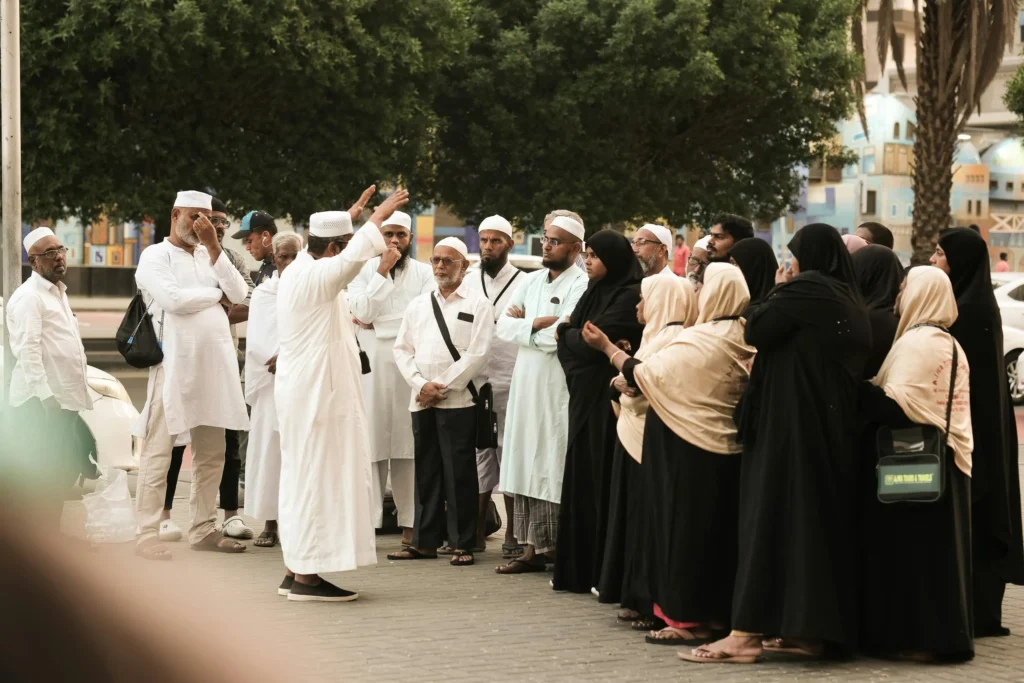
Saudi Arabia mandates meningococcal ACWY vaccination for all pilgrims, which must be administered at least 10 days before arrival and remain valid for three years. Seasonal influenza vaccination is strongly recommended during Hajj season.
Polio vaccination certificates required from travellers arriving from endemic countries. Our clinic provides official documentation and medical certificates compliant with Saudi Ministry of Health regulations.

Ideally, schedule your travel health consultation 6-8 weeks before departure. Some vaccines require multiple doses spaced weeks apart, whilst others need time to build full immunity before exposure.

Our Pharmacists maintain current expertise on regional health requirements, visa vaccination mandates, and emerging disease risks across all Middle Eastern countries.
Walk-in service and flexible scheduling accommodate urgent travel plans without compromising protection quality.
Clear upfront costs with no hidden consultation fees; package deals available for families and groups travelling together.
Receive internationally recognised vaccination certificates and medical letters meeting Saudi Arabian, UAE, and other Middle Eastern entry requirements.
All Middle Eastern travel vaccines available on-site; no delays waiting for special orders or returning for follow-up doses.
Whilst UAE doesn’t mandate vaccinations for UK travellers, hepatitis A and typhoid are strongly recommended. If you’re travelling from a yellow fever endemic country, you’ll need a valid yellow fever certificate. Routine UK vaccinations should be current.
Meningitis ACWY vaccination is legally required for Hajj and Umrah pilgrims only. However, it’s recommended for all Saudi visitors due to increased infection risk in crowded environments. The vaccine must be administered 10+ days before arrival.
Most Middle Eastern nations require yellow fever certification only if you’re arriving from endemic countries within 6 days. Saudi Arabia, Egypt, and Jordan enforce this strictly. Keep your certificate accessible during immigration.
The NHS doesn’t provide travel vaccinations except for specific medical conditions or certain destinations. Middle Eastern travel vaccines must be obtained privately through specialist travel clinics like ours.
Hepatitis A booster provides 25+ years protection. Typhoid lasts 3 years. Meningitis ACWY remains effective for 3-5 years. Rabies pre-exposure needs boosters based on ongoing risk assessment. We’ll provide a personalised vaccine schedule.
Traveller’s diarrhoea affects 20-50% of visitors. Heat exhaustion, dehydration, and sun exposure pose significant risks. Some regions have malaria requiring prophylaxis. Our consultation covers comprehensive health advice including food safety, water precautions, and emergency medical contacts.
Have questions about travel vaccinations? Our team is here to help. Contact us today for safe travel.